
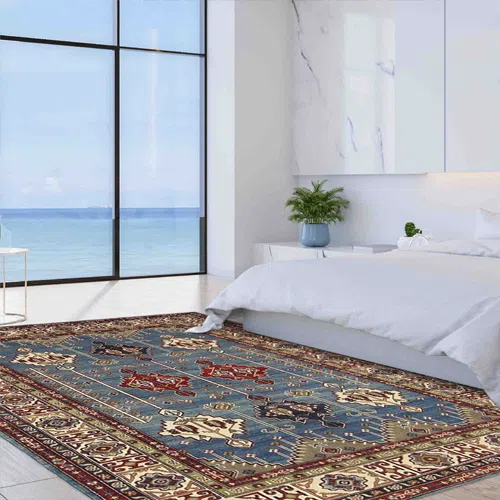
A Collector's Guide to Authentic Caucasian Kazak Rugs
The Timeless Appeal of Caucasian Kazak Rugs
Among the world's most prized handwoven textiles, Caucasian Kazak rugs stand out for their striking geometric designs, saturated color palettes, and bold artistic expression. Originating from the rugged mountainous region of the Caucasus—spanning areas of modern-day Armenia, Georgia, and Azerbaijan—these rugs have captivated collectors, interior designers, and homeowners for centuries. At Tampa Rug Center, we celebrate the artistry of these authentic pieces, each telling a unique story of tribal heritage and masterful handcrafting.
The Rich History and Heritage of Kazak Weaving
The tradition of Kazak rug weaving dates back centuries, rooted in the nomadic and village lifestyles of Caucasian weavers. Unlike urban workshops that produced intricate, highly floral curvilinear designs, Kazak weavers relied on memory, personal creativity, and ancestral symbolism. These rugs were woven on portable wooden looms using locally sourced wool and natural vegetable dyes.
Kazak rugs represent raw, artistic freedom in textile art—where geometric symmetry meets spontaneous tribal expression.
During the 19th and early 20th centuries, Kazak rugs gained international acclaim, becoming focal points in prestigious European and American homes. Today, vintage and antique Kazak rugs remain highly sought-after investment pieces, while high-quality contemporary reproductions continue the legacy using traditional techniques.
Defining Characteristics and Motifs
Identifying a Kazak rug requires an appreciation of its distinct design language. While every rug is an original work of art, several hallmark traits define the Kazak style:
1. Bold Geometric Patterns
Kazak designs are famously geometric. You will often see large central medallions, diamond shapes, octagons, and intricate latch-hook motifs. Symbolic representations are woven throughout, including stylized animals, trees of life, and stars meant to ward off bad luck or bring prosperity.
2. Rich, Vibrant Color Palettes
Traditional Kazak rugs are celebrated for their saturated, luminous colors. Master weavers utilized natural dyes made from local plants, roots, and insects:
- Madder Root: Yields deep, warm reds and terracotta tones.
- Indigo: Creates deep navy and vibrant sky blues.
- Weld and Pomegranate Rinds: Produce rich yellows and warm golden hues.
- Undyed Wool: Used for clean ivory and dark brown contrasts.
3. Heavy Wool Construction
Because the Caucasus climate is harsh and cold, Kazak rugs were crafted for warmth and durability. They feature a thick, plush wool pile tied over durable wool warp and weft threads. This all-wool construction gives the rugs a substantial, cozy feel underfoot.
How to Identify an Authentic Hand-Knotted Kazak Rug
With machine-made imitations flooding the modern home decor market, knowing how to spot a genuine hand-knotted Kazak rug is essential for collectors and homeowners alike.
- Examine the Back of the Rug: Turn the rug over and look closely at the weave. On an authentic hand-knotted rug, the pattern on the back will be nearly as distinct as the front. You will notice slight variations in knot size and alignment, which are hallmarks of human artistry. Machine-made rugs feature uniform, rigid stitching and a heavy white backing grid.
- Check the Fringe: In a real hand-woven Kazak, the fringe is an integral continuation of the rug's warp threads (the structural foundation). If the fringe is sewn on or glued to the ends after weaving, it is a machine-made product.
- Test the Flexibility: Hand-knotted wool rugs are supple and pliable. You can easily fold a genuine Kazak in both directions. Machine-made rugs with stiff synthetic backings or latex glue cannot be folded easily without cracking.
- Look for Abrash (Color Variations): Hand-dyed wool naturally absorbs dye in subtle variations. This creates gentle, horizontal bands of tone variation known as abrash. Rather than a flaw, abrash adds depth and confirms authentic hand-dyeing processes.
Styling a Kazak Rug in Contemporary Spaces
Despite their ancient origins, Kazak rugs complement modern aesthetic trends surprisingly well. Their strong geometric lines anchor contemporary furniture, mid-century modern pieces, and transitional decor styles seamlessly.
If you want to make a Kazak rug the hero of your room, pair it with neutral upholstery—such as warm leather, cream linen, or natural wood elements. The bold red and blue tones of the rug create an instant focal point without overwhelming the space. Alternatively, in eclectic or bohemian interiors, Kazak rugs layer beautifully over natural fiber jute or sisal carpets.
Caring for Your Handwoven Masterpiece
A genuine hand-knotted Kazak rug is built to last for generations with proper care. Vacuum regularly using a suction-only setting or hand attachment to prevent damaging the wool pile fibers. Always rotate your rug once or twice a year to ensure even wear and light exposure. For deep cleaning, trust only specialized rug professionals who understand handwoven textiles and natural dyes.