
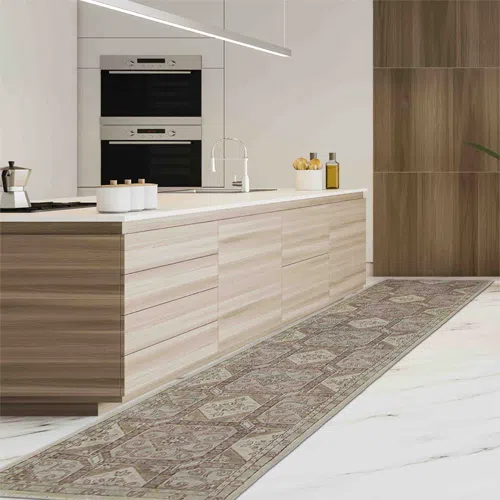
A Guide to Styling Handwoven Runner Rugs in Hallways and Narrow Spaces
Hallways, staircases, and narrow transition zones are among the most frequently walked areas in any home, yet they are frequently overlooked when it comes to interior design. Without thoughtful decor, these long stretches can feel cold, noisy, and uninviting. Incorporating an authentic handwoven runner rug is one of the most effective ways to introduce warmth, visual interest, and sound absorption into narrow architectural spaces.
Why Choose Handwoven Runners for High-Traffic Areas?
Unlike mass-produced synthetic rugs that flatten and wear down quickly under daily foot traffic, handwoven rugs crafted from high-quality wool or cotton are engineered by tradition to endure decades of use. Hand-knotted and flat-woven construction techniques bind natural fibers tightly together, allowing the rug to retain its structural integrity while resisting crushing.
Natural wool contains lanolin, a natural oil that inherently repels moisture and dirt stains. This inherent durability makes handwoven runner rugs ideal for entryways, kitchen galleys, and central corridors where footsteps are constant.
Getting the Scale Right: How to Measure for a Hallway Runner
Proper proportion is key to ensuring a runner rug elevates a space rather than making it feel cluttered or cramped. Follow these guidelines when selecting the right length and width for your narrow room:
- Maintain Border Exposure: Aim to leave between 4 to 6 inches of bare floor visible on all sides of the runner. Exposing the underlying floor framing creates a clean, intentional border.
- Center the Rug: Ensure the runner is centered along the focal axis of the corridor. If the hallway features built-in furniture or architectural alcoves, measure from the face of the furniture rather than the wall.
- Mind Door Clearances: Always measure the clearance beneath swinging interior doors. Flat-weave runners like Kilims offer a low profile that allows doors to open smoothly without catching.
Styling Runner Rugs Across Different Rooms
While hallways are the standard location for runners, these versatile textiles work exceptionally well in a variety of other domestic settings:
The Kitchen Galley
Placing a handwoven runner between a kitchen island and cabinetry adds comfortable cushioning underfoot while prepping meals. The rich colors and geometric patterns of traditional weave styles also soften the hard surfaces of quartz countertops and wooden cabinets.
The Entryway and Foyer
An entry runner creates a welcoming transition from the front door into the main living spaces. Choose denser hand-knotted pile rugs in deeper, natural tones to handle dirt from shoes while establishing an inviting color palette right at the entrance.
Alongside the Bed
If your bedroom layout does not easily accommodate a large area rug beneath the bed, placing matching or complementary runner rugs on either side of the bed offers soft comfort underfoot every morning without dominating the entire floor plan.
Choosing the Right Weave for Your Lifestyle
When shopping for a handwoven runner, consider how the specific weave style matches your lifestyle and aesthetic preferences:
- Flat-Weave (Kilims): Light, flexible, and featuring reversible designs. Kilims are perfect for low-clearance doorways and casual, bohemian, or mid-century modern interiors.
- Hand-Knotted Wool Pile: Offers luxurious plushness, sound dampening, and long-term durability. These rugs excel in grand hallways and formal entryways.
- Overdyed or Distressed Vintage Runners: Ideal for contemporary homes seeking character. The muted tones mask foot marks while adding curated, historical depth to minimalist architecture.
Essential Care and Maintenance for Hallway Runners
Because runners absorb considerable foot traffic, routine maintenance ensures they age gracefully over time:
A high-quality rug pad is non-negotiable for hallway runners. It keeps the rug anchored securely on hardwood or tile surfaces, prevents hazardous slippage, and reduces friction wear on the underside of the weave.
Rotate your runner end-for-end every six to twelve months to equalize traffic patterns and sunlight exposure. Vacuum regularly using a suction-only setting without a rotating beater bar to protect the hand-spun fibers. For spills, blot immediately with a clean dry cloth—never scrub, as harsh rubbing can distort natural wool fibers.
By investing in a carefully sized, authentic handwoven runner rug, you turn simple transitional paths into striking decorative statements that welcome warmth into every corner of your home.