
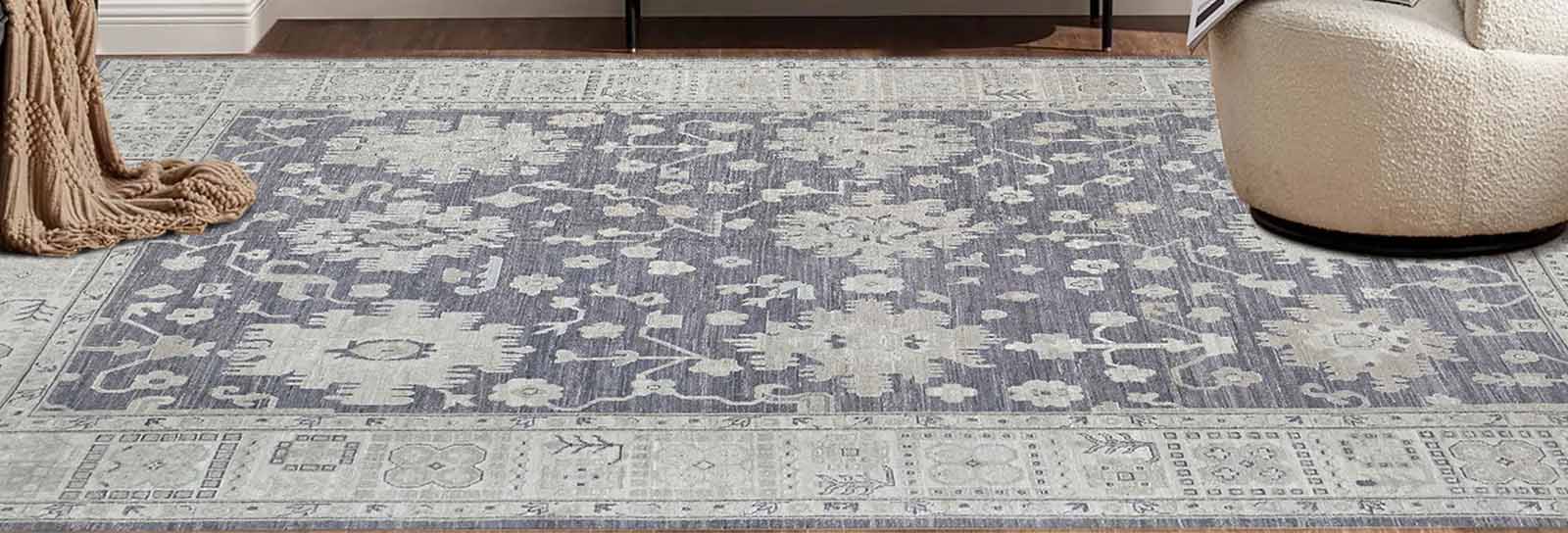
Decoding Handwoven Rug Motifs: The Hidden Symbolism Behind Oriental Patterns
When you unroll an authentic handwoven rug in your home, you are doing far more than placing a soft floor covering beneath your feet. You are stepping onto a canvas woven with history, culture, and personal expression. For centuries, nomadic weavers, village artisans, and master workshop craftspeople across Asia, Persia, and the Caucasus have embedded symbolic motifs into their rugs. These symbols served as prayers for prosperity, talismans for protection, and visual records of daily life. Understanding these patterns elevates a rug from a simple decorative element to a meaningful piece of living art.
The Boteh: The Seed of Life and Origin of Paisley
One of the most recognizable motifs in textile history is the Boteh, a teardrop-shaped symbol with a curved top. Western design lovers know it as paisley, named after the Scottish town that mass-produced printed versions in the nineteenth century. However, the origin of the Boteh dates back thousands of years to ancient Persia.
In traditional handwoven textiles, the Boteh carries multiple layers of meaning. Some scholars believe it represents a cypress tree bent by the wind, symbolizing humility, endurance, and strength under pressure. Others view it as a stylized flame representing the Zoroastrian eternal fire, or a sprouting seed signifying fertility, rebirth, and continuous life. When you see repeating Boteh motifs dancing across a rug field, you are looking at an ancient blessing for growth and resilience.
The Tree of Life: Connecting Earth and Sky
Vertical and deeply symbolic, the Tree of Life motif is a central feature in many Persian, Anatolian, and Caucasian rugs. Depicted as a majestic tree stretching from a rooted base up toward an intricate canopy, this design bridges the earthly world and the spiritual realm.
- Longevity and Hope: Deep roots symbolize a strong connection to ancestors and heritage, while reaching branches represent hope, growth, and future generations.
- Paradise and Abundance: Often flanked by birds, blossoms, or flowing water, the Tree of Life creates a visual garden of sanctuary within the home.
- Cypress Trees: Frequently woven alongside the main tree structure, cypress trees specifically represent eternal peace and spiritual endurance.
Protective Talismans: Stars, Amulets, and the Evil Eye
Nomadic tribes lived close to nature and faced daily environmental uncertainties. Consequently, rug weaving was deeply tied to spiritual protection. Weavers embedded geometric protective motifs into tribal rugs like Kazaks, Shirvans, and Gabbehs to shield their homes and families from harm and envy.
The eight-pointed star is a common protective symbol representing happiness, spirituality, and cosmic order. Triangular shapes, often called muska or amulets, were woven to ward off negative energy and the evil eye. Even subtle irregularities or intentionally unfinished motifs were often included by weavers who believed that absolute perfection belongs only to the divine, or to distract malevolent spirits. Owning a tribal rug means surrounding your living space with these centuries-old protective emblems.
Fauna Motifs: Birds, Lions, and Peacocks
Animals woven into traditional rugs often act as heraldic symbols of power, peace, or divine messages.
The inclusion of animal motifs reflects the weaver's intimate relationship with nature and mythology, turning every textile into a vivid narrative.
A few prominent examples include:
- Peacocks: Symbolize immortality, divine royalty, and inner beauty. In Persian weaving traditions, peacocks were frequently featured in grand palace carpets.
- Lions: Represent courage, physical strength, and heroic leadership. They are iconic features in tribal South Persian Qashqai rugs.
- Birds and Doves: Represent faith, peace, and good tidings traveling between heaven and earth.
- Ram Horns: A classic Anatolian tribal motif symbolizing heroism, power, and masculine protection.
Styling Symbol-Rich Handwoven Rugs in Modern Interiors
Integrating a rug rich in historic symbolism into a modern home brings warmth, character, and depth to your space. You do not need a traditional setting to showcase a symbolic handwoven rug. In minimalist, modern, or Scandinavian-inspired rooms, a patterned historic textile becomes an eye-catching focal point that grounds the entire aesthetic.
To let the motifs speak, pair intricate medallion or repeating pattern rugs with clean-lined furniture in neutral tones. Allow natural light to illuminate the subtle hand-spun wool color variations, highlighting the deliberate artistry behind every single knot. When guests admire your floor coverings, sharing the history of the Boteh or Tree of Life transforms your rug into a fascinating conversation piece.
Discover Meaningful Heritage at Tampa Rug Center
Every hand-knotted rug in our collection carries a unique story woven by master artisans across generations. At Tampa Rug Center, we take pride in helping you discover authentic handwoven textiles that resonate with your personal style and appreciation for history. Visit our showroom or explore our online gallery to find a piece of living art for your home.