
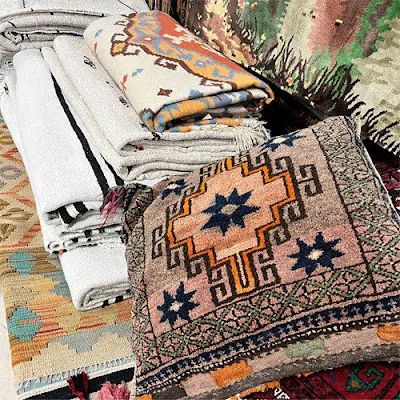
Mastering the Art of Rug Layering: How to Combine Handwoven Textiles for Warmth and Depth
Interior design has evolved beyond the rigid rule of placing a single area rug in the center of a room. Today, design enthusiasts and homeowners are embracing the tactile art of rug layering. Layering rugs allows you to combine diverse textures, rich color palettes, and heritage patterns to create a space that feels curated, cozy, and deeply personal. By placing an authentic handwoven accent rug over a larger, foundational base, you can highlight fine textile artistry while maintaining everyday practical functionality. At Tampa Rug Center, we frequently guide clients on how to pair our handcrafted treasures with larger foundational pieces to elevate living rooms, bedrooms, and entryway nooks.
Why Layer Rugs in Modern Interiors?
Layering rugs is more than just a stylish visual trend—it is a practical design strategy. First, it allows you to incorporate smaller, high-value handwoven rugs into large rooms where purchasing an extra-large hand-knotted rug might exceed your budget. Second, layering adds physical and visual texture, breaking up vast expanses of hardwood, tile, or stone flooring.
Rug layering blends history and modern interior design, allowing a unique, vibrant handwoven accent to shine while grounded by a quiet, textured foundation.
Choosing the Right Foundational Base
The secret to successful rug layering begins at the bottom layer. Your base rug acts as a canvas, providing scale, coverage, and neutral balance so your top handwoven rug does not visually overpower the room.
- Natural Fiber Bases: Jute, sisal, and seagrass rugs are classic base choices. Their coarse, organic textures create a striking contrast against soft woven wool or flatweave textiles.
- Low-Pile Neutral Wool: A solid beige, cream, or soft grey low-pile wool rug offers a comfortable underfoot feel while maintaining a calm background aesthetic.
- Proper Sizing: Ensure your base rug is large enough to anchor the primary furniture grouping. Front legs of sofas and armchairs should rest comfortably on the base layer to define the space effectively.
Selecting Your Top Handwoven Accent Rug
Once your foundation is established, choose a top rug that brings artistic character into the room. Authentic handwoven rugs make ideal top layers because their handcrafted variations and organic dyes naturally draw the eye.
- Vibrant Flatweave Kilims: Lightweight and low-profile, flatweave kilims lie smoothly over natural fiber bases without creating a thick tripping hazard. Their geometric motifs introduce dynamic energy.
- Tribal Motifs and Fine Knots: Intricate medallion patterns or bold tribal motifs in rich jewel tones stand out beautifully against understated background rugs.
- Textural Contrast: Pair opposing textures. A smooth, high-knot-density hand-woven piece resting on a rustic jute background creates a sophisticated interplay of raw and refined materials.
Strategic Layouts and Placement Techniques
How you position your top rug depends on the layout and mood of your space. Consider these proven arrangement strategies:
- Centered Alignment: Place a rectangular handwoven rug directly in the center of a larger neutral base. This creates a framed border effect that focuses attention on the central artwork.
- Diagonal or Angled Layering: Position the top rug at a 45-degree angle relative to the base rug and seating area. This relaxed approach works wonderfully in casual, eclectic, or contemporary living rooms.
- Asymmetrical Offsetting: Pull the top rug slightly forward or off-center beneath a coffee table or bed. This adds subtle movement and breaks up rigid rectangular lines in structured interiors.
Essential Safety and Maintenance Tips
While rug layering encourages creative expression, maintaining safety and balance ensures your living space remains functional. Always pair your top rug with a high-quality rug pad specifically engineered for rug-on-rug application. Without a non-slip pad, the upper rug can bunch up or slide across the base surface. Additionally, pay attention to total pile height in high-traffic pathways to ensure doors open smoothly without catching on stacked layers.
Transform Your Space with Authentic Handwoven Art
Mastering the art of rug layering is an inspiring way to showcase authentic handwoven textiles while building warmth and character in your home. By thoughtfully balancing base textures, vibrant accent motifs, and proper proportions, you can transform any room into a professionally styled haven. Explore our curated collection of handwoven flatweaves, tribal accents, and vintage rugs at Tampa Rug Center to find the perfect statement piece for your home.